
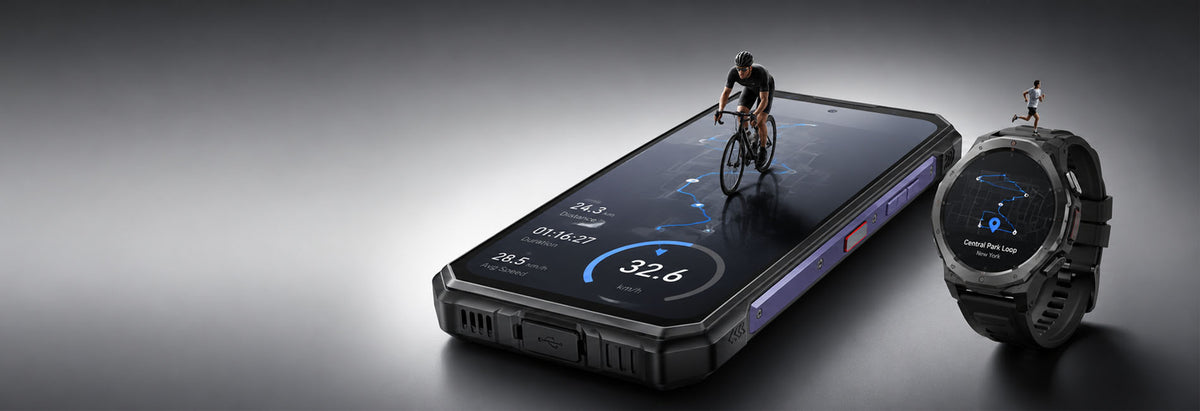
Training Needs More Than One Device
Disconnected Training
Routes, calls, music, and workout data often live on separate devices, making training less smooth.
Blocked Awareness
Traditional headphones can cut users off from traffic, people, bikes, and surrounding sounds.
Battery Anxiety
Long runs, rides, and outdoor sessions need devices that can stay powered through the workout.
Too Much to Carry
Sports users want lighter gear that supports movement instead of adding more weight.

Light Training, Light Carry Setup
Best for:
City running, cycling, gym workouts, commuting exercise, and everyday training.
Why it works:
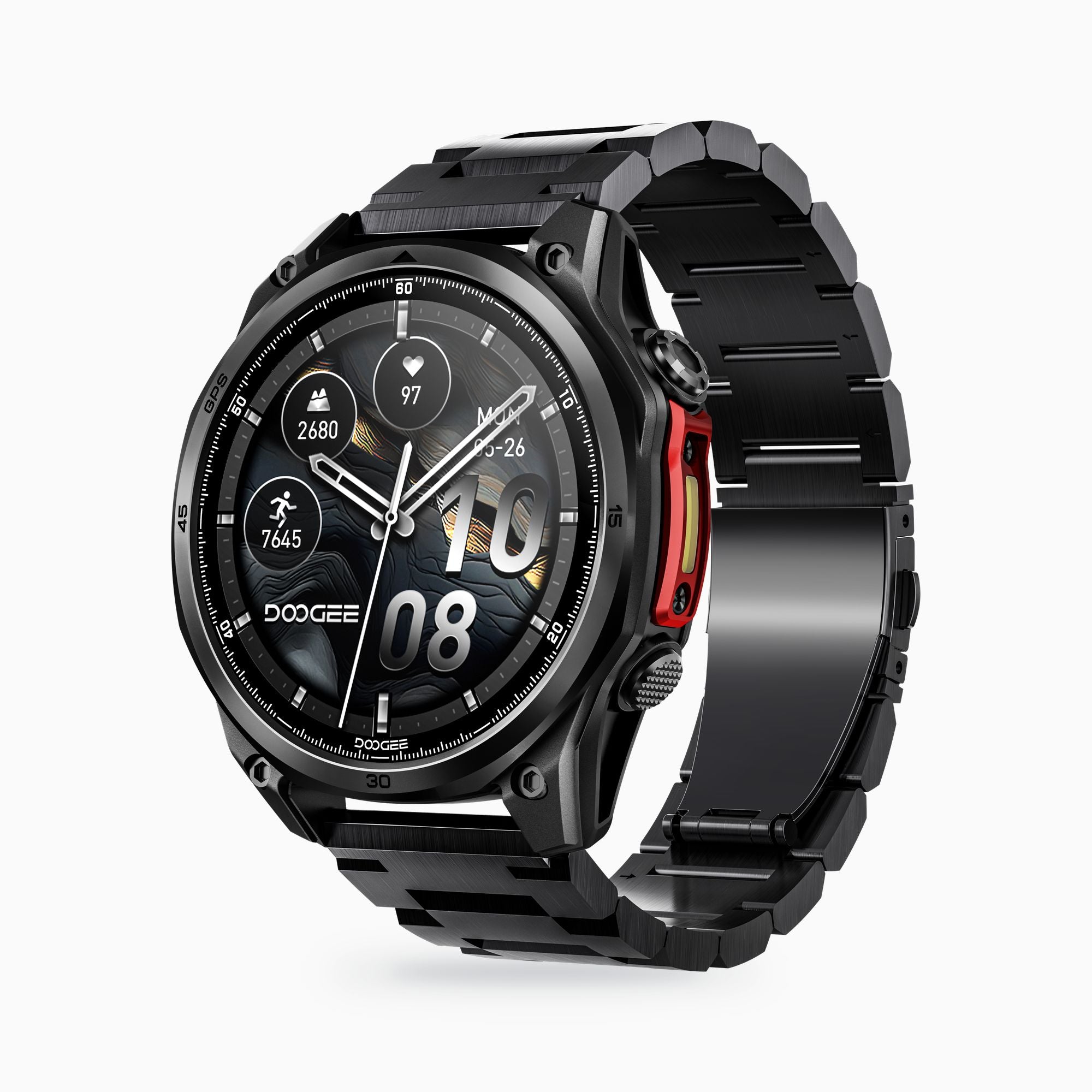
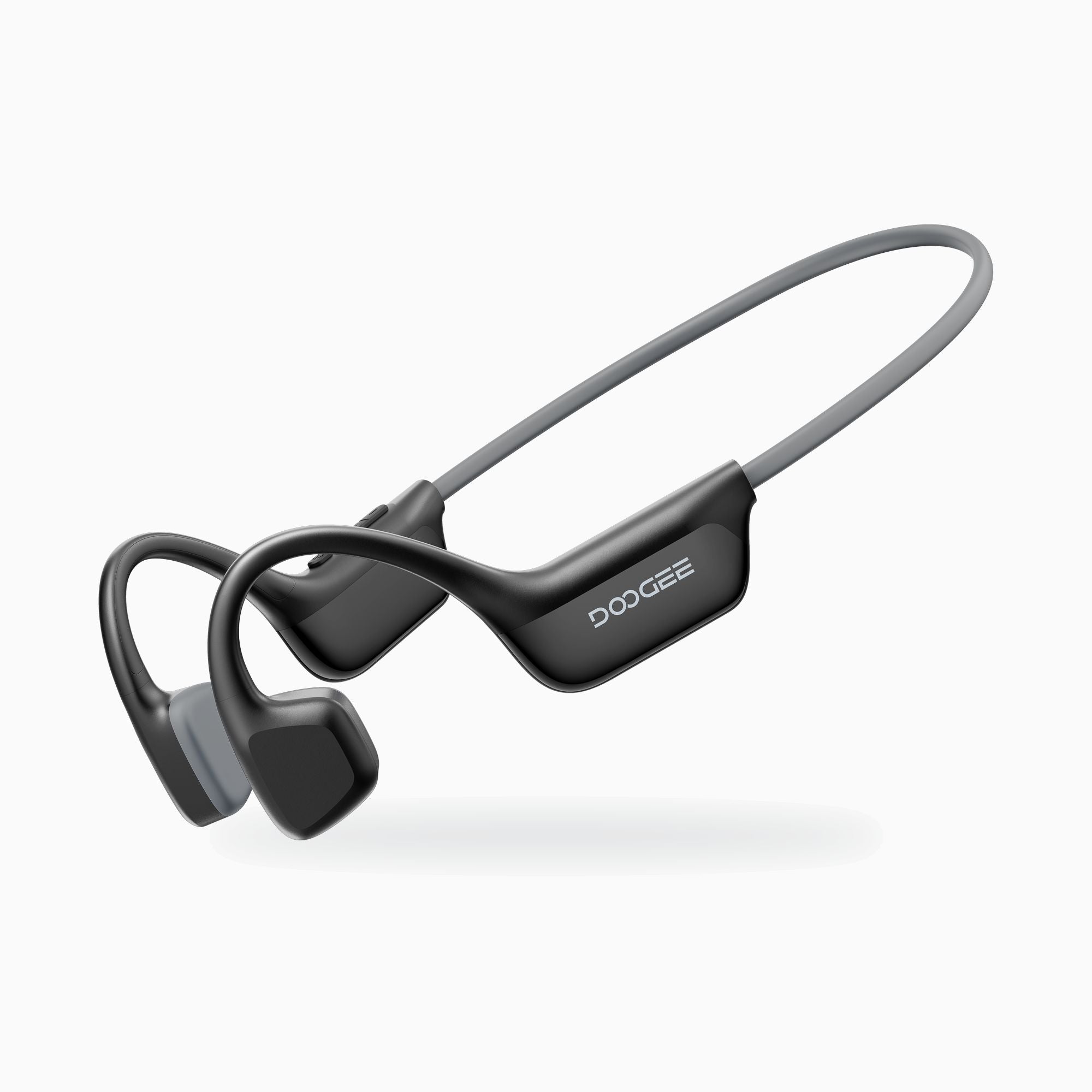
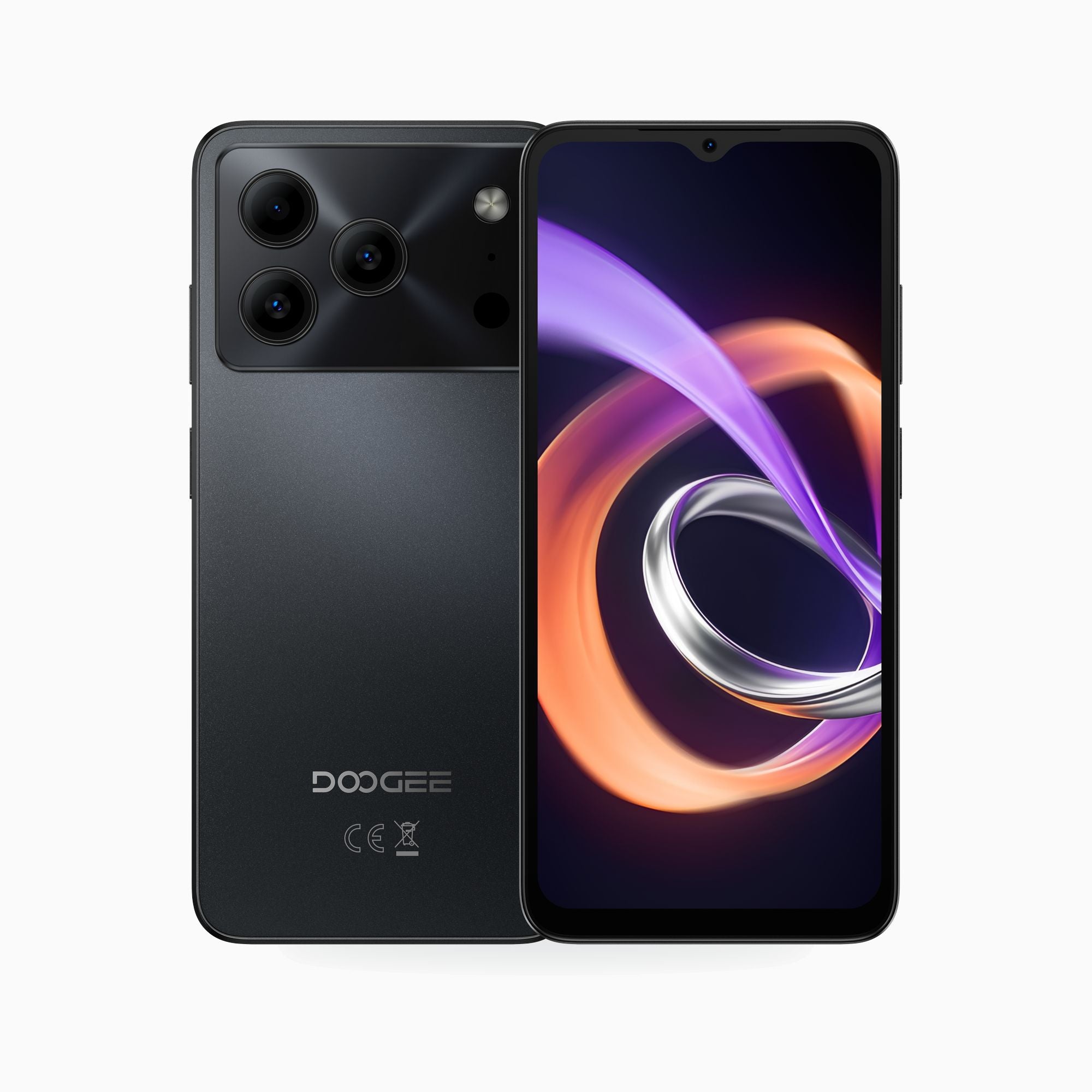
A smartphone keeps routes, calls, and daily content connected. A smartwatch puts training data and notifications on the wrist. Open-ear headphones let users enjoy music or calls while still hearing traffic, people, and their surroundings.
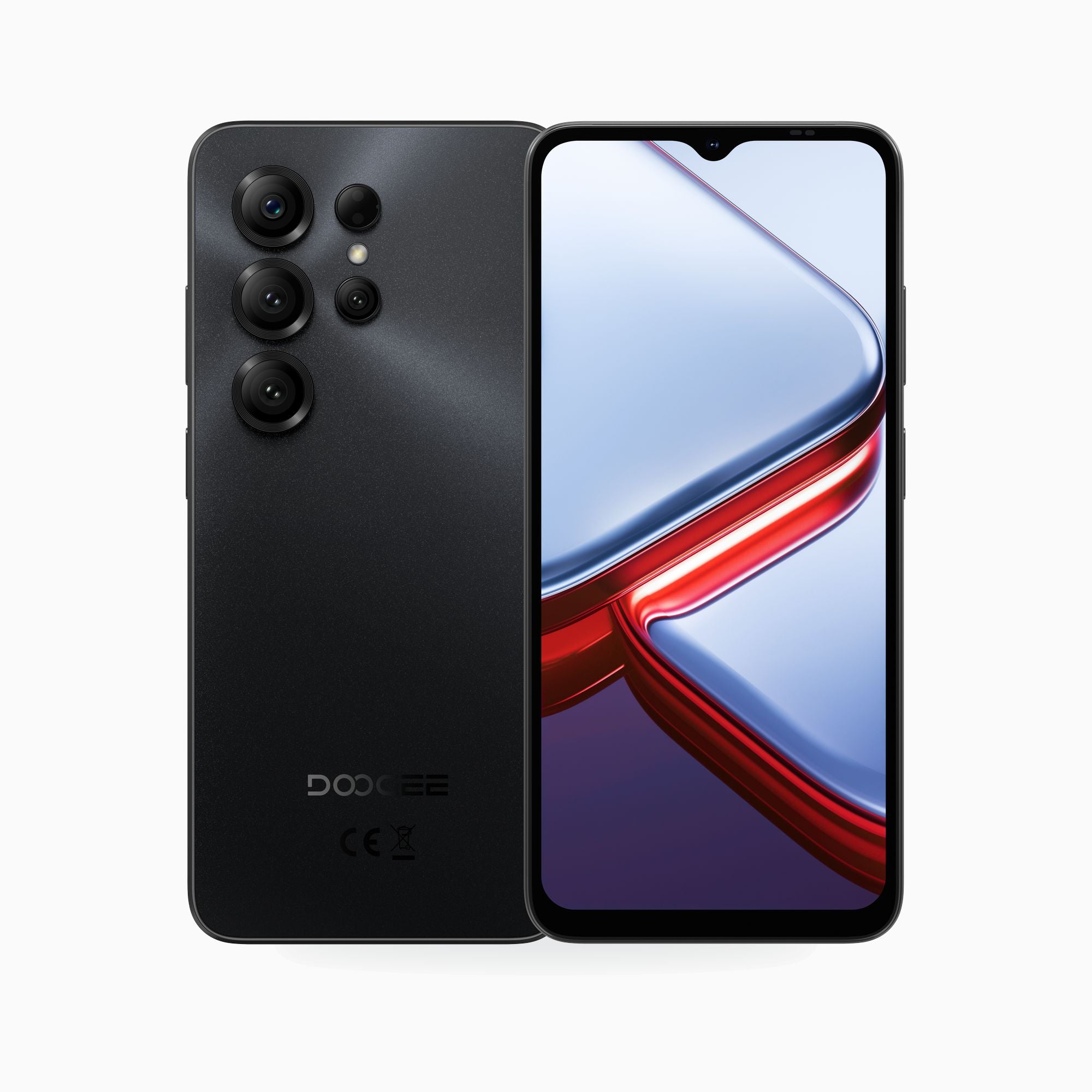
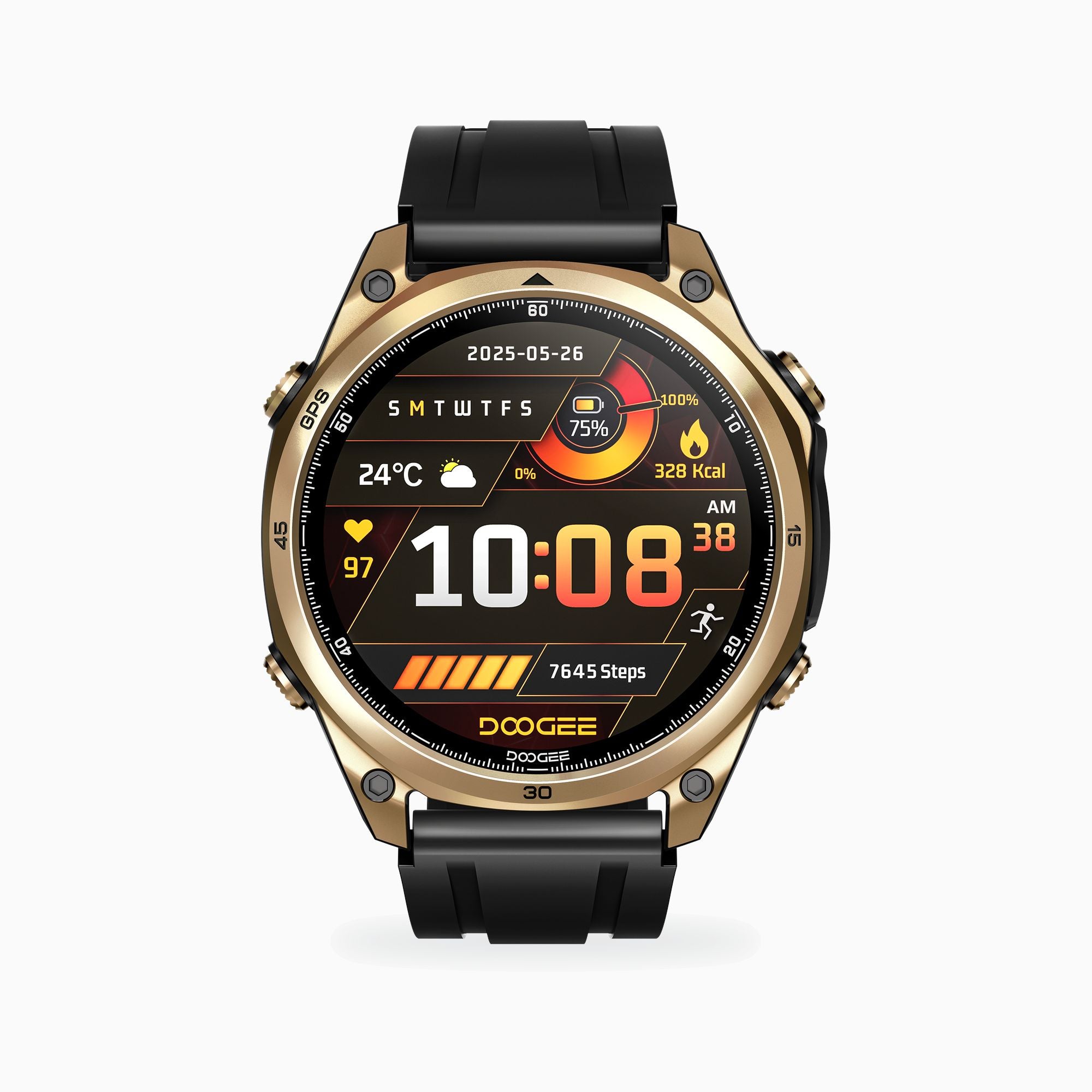
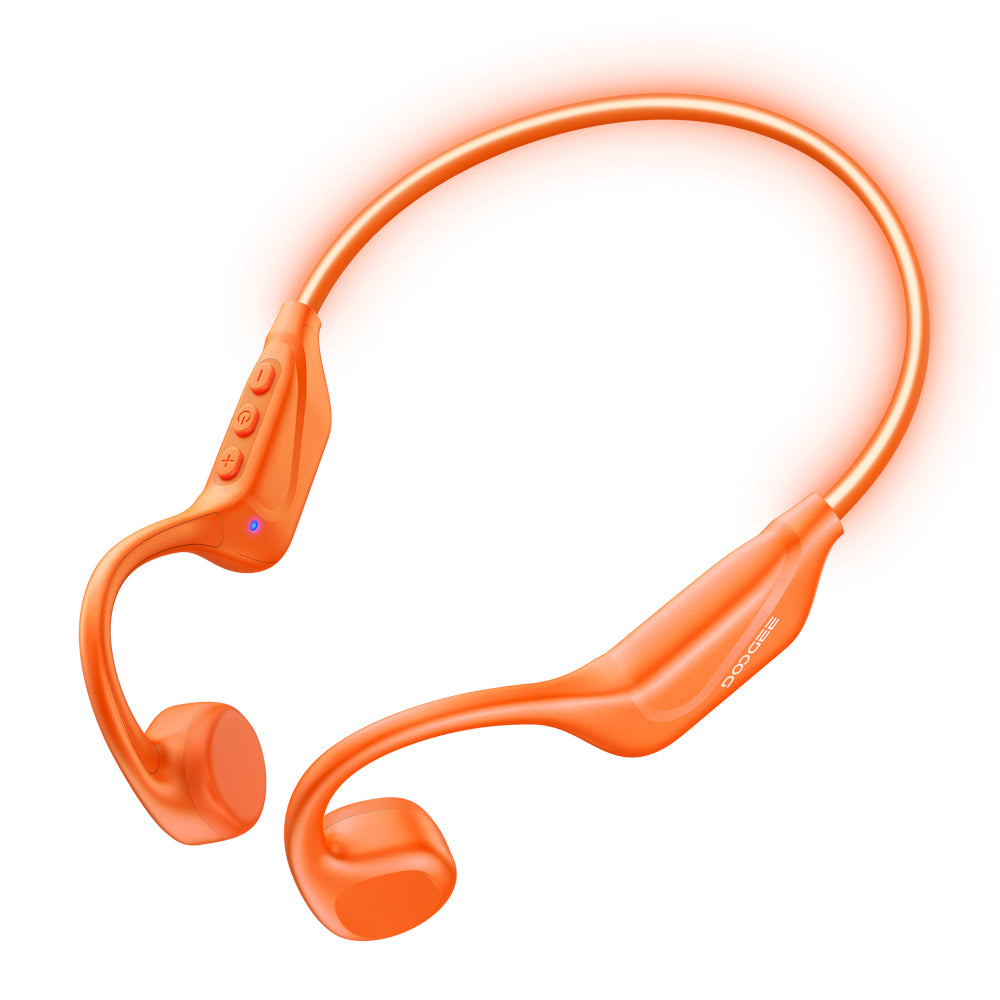

Long-Distance Training Safety Setup
Best for:
Cycling, trail running, long-distance training, half-marathon prep, and outdoor routes.
Why it works:
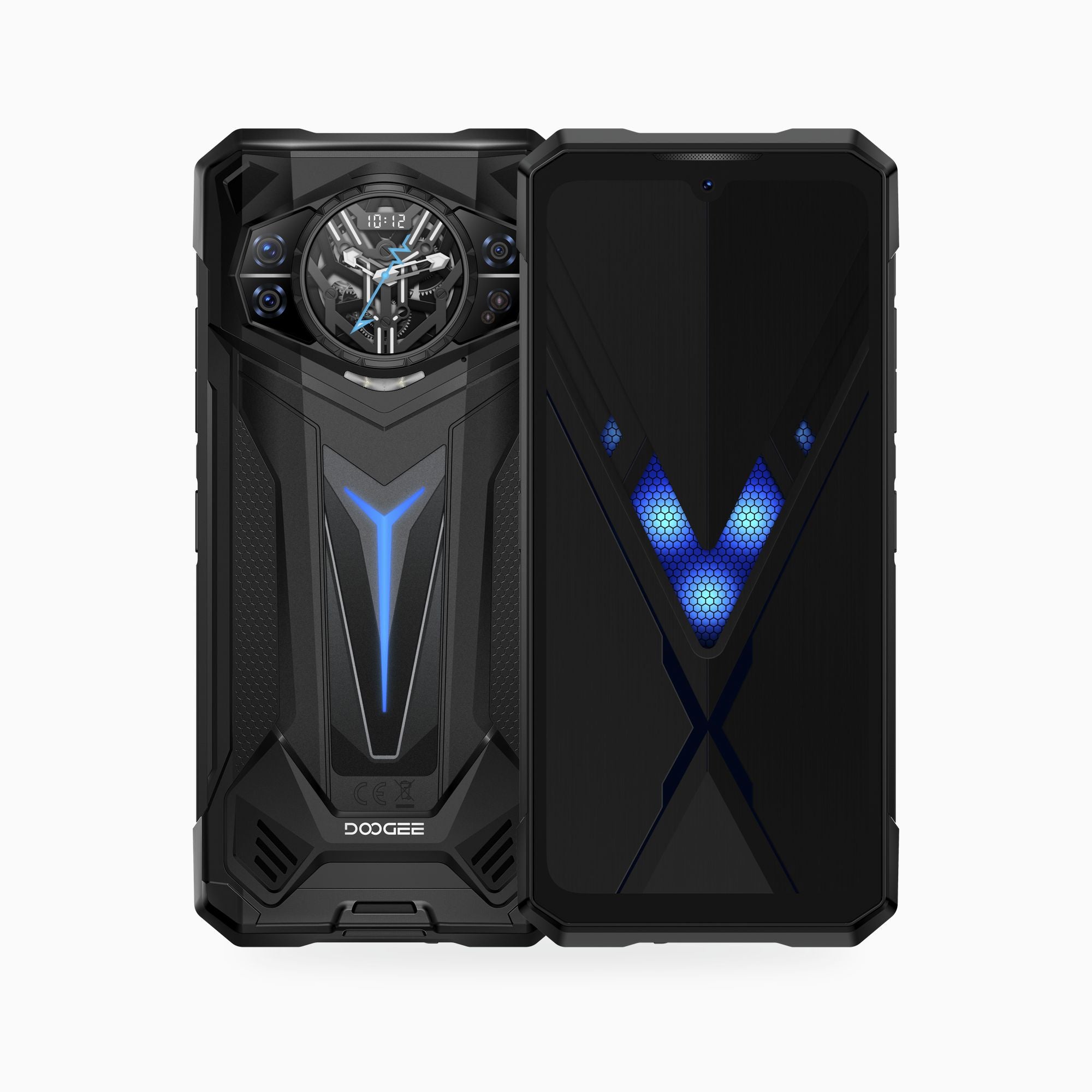
A long-battery rugged phone helps keep route tracking and communication available for longer sessions. A waterproof smartwatch keeps training status visible on the wrist. Open-ear headphones support rhythm and motivation while keeping the user aware of nearby sounds.
Water Sports & Swim Audio Setup
Best for:
Swimming, beach workouts, pool training, lake days, water parks, and family water activities.
Why it works:
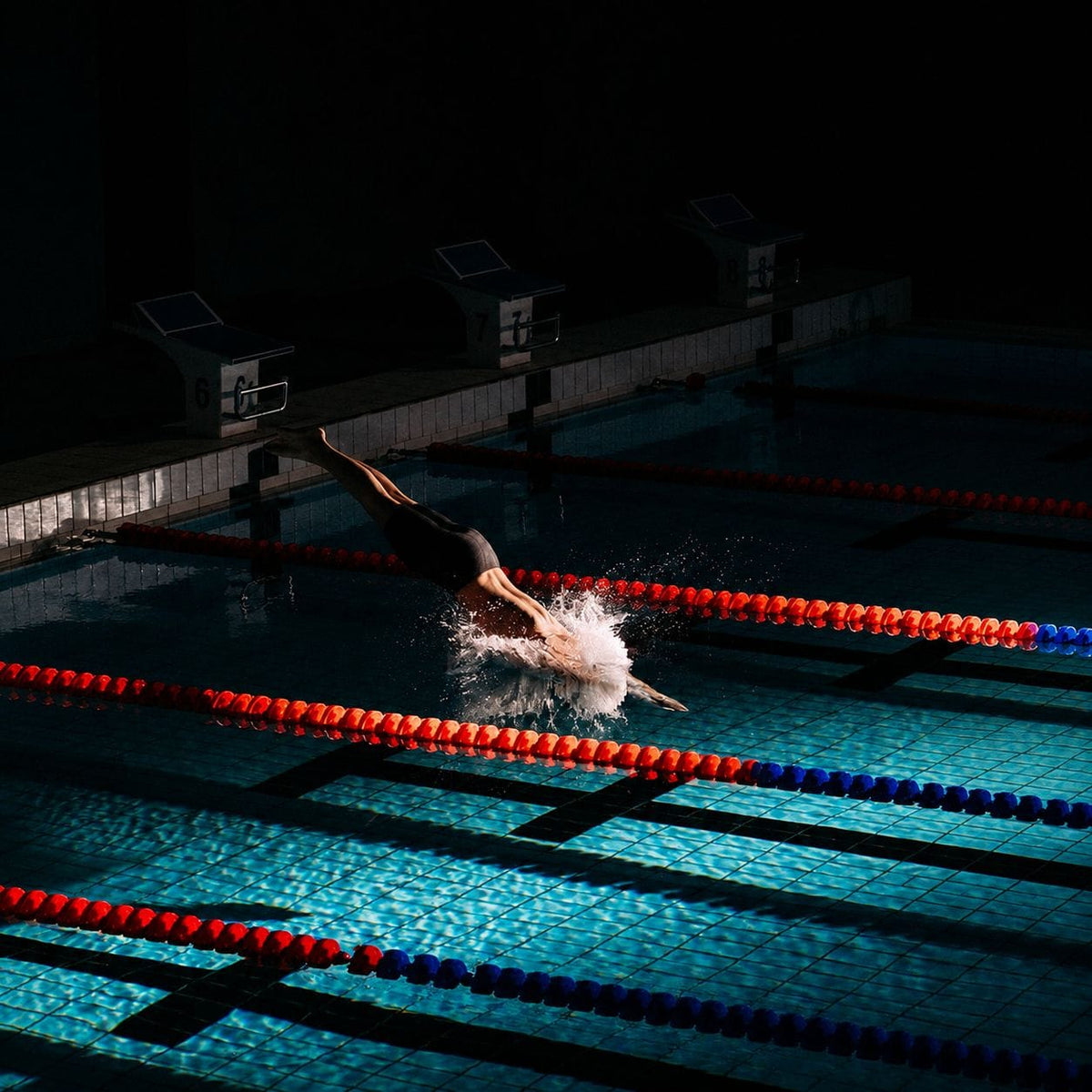
A long-battery rugged phone supports communication, navigation, and outdoor use before and after getting in the water. Waterproof swimming headphones bring audio into water-based training. A lightweight waterproof smartwatch helps users keep basic records on the wrist.



Everyday Fitness & Active Lifestyle Setup
Best for:
Gym workouts, office break exercises, daily health routines, city jogging, and active commuting.
Why it works:
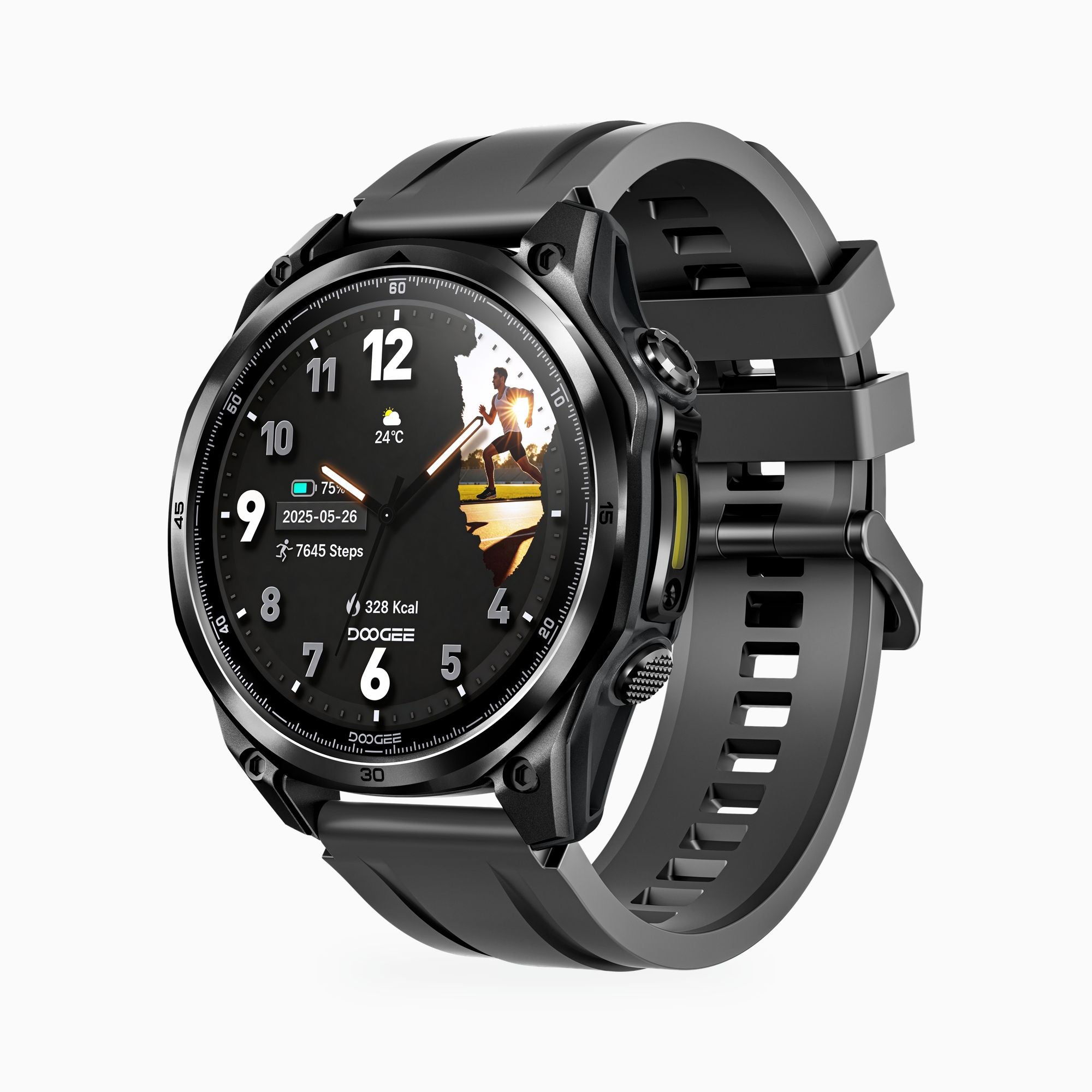
A daily smartphone handles calls, photos, and light content. A smartwatch keeps movement and notifications easy to check. Open-ear headphones make workouts and commutes more enjoyable without turning the setup into professional-only sports gear.
Help Me Choose My Sport Setup
Pick the way you move, then find the setup that fits your training style.

Run Light
For Running, Cycling & Gym Training
Choose this setup if you want a simple sports upgrade for everyday movement. It keeps your phone, music, route, and wrist data connected without making your workout feel heavy.
Best for:
City runs, gym sessions, cycling, commuting workouts, and daily training.

Go Longer
For Long Routes & Outdoor Training
Choose this setup if your workouts take you farther from home. It focuses on battery life, route support, wrist monitoring, and open-ear awareness for longer training sessions.
Best for:
Cycling, trail running, long-distance routes, half-marathon training, and outdoor workouts.

Swim Ready
For Water Sports & Swimming
Choose this setup if your training includes water. It helps keep audio, basic records, and shore-side communication covered before, during, and after water activities.
Best for:
Swimming, beach workouts, pool training, lake days, and family water activities.
Everyday Fitness
For Daily Movement & Light Training
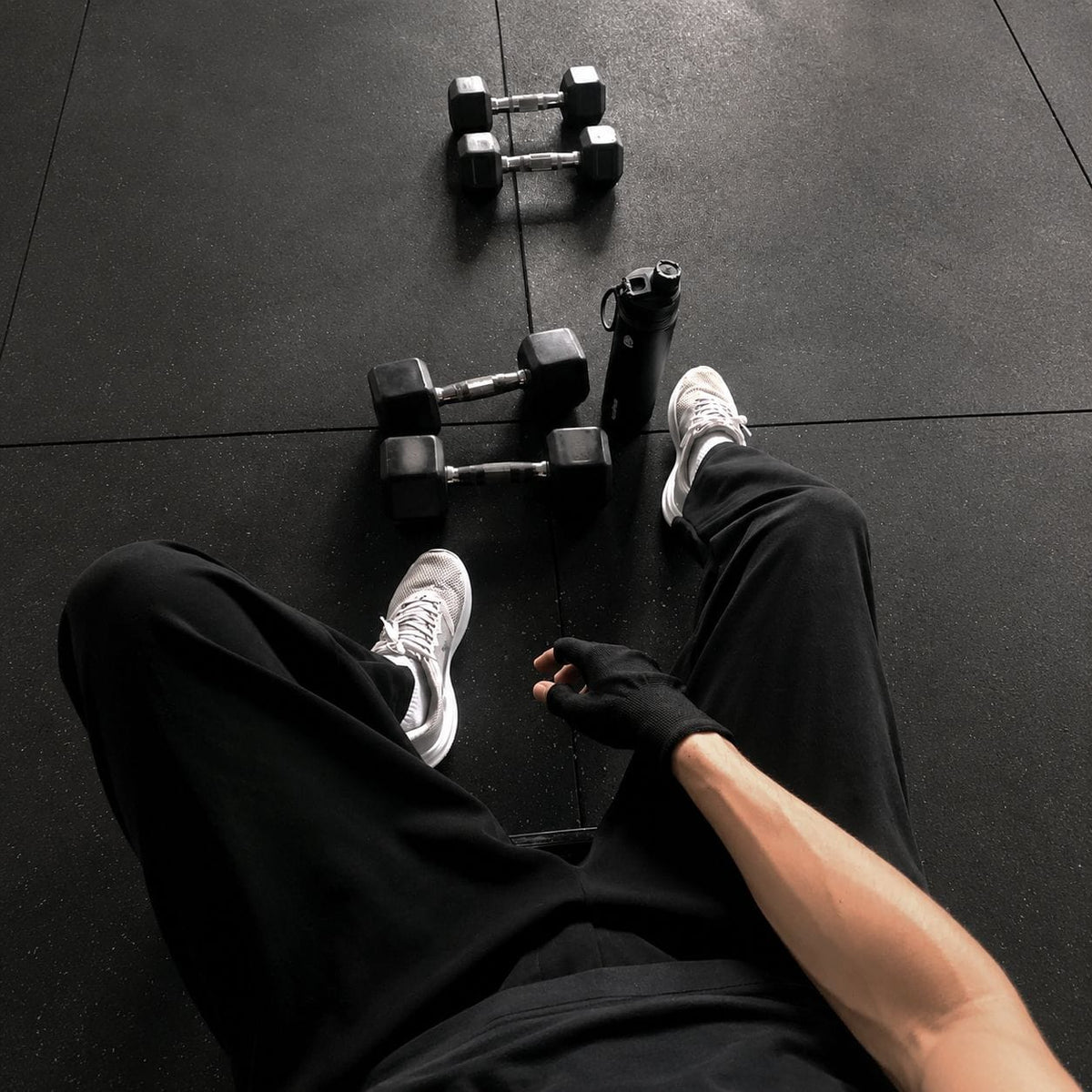
Choose this setup if you want devices that are useful beyond the workout. It is made for people who train casually, commute actively, and want fitness features that still fit daily life.
Best for:
Gym users, office workouts, city jogging, active commuting, and daily health routines.
What Each Device Adds to Your Workday
Smartphone
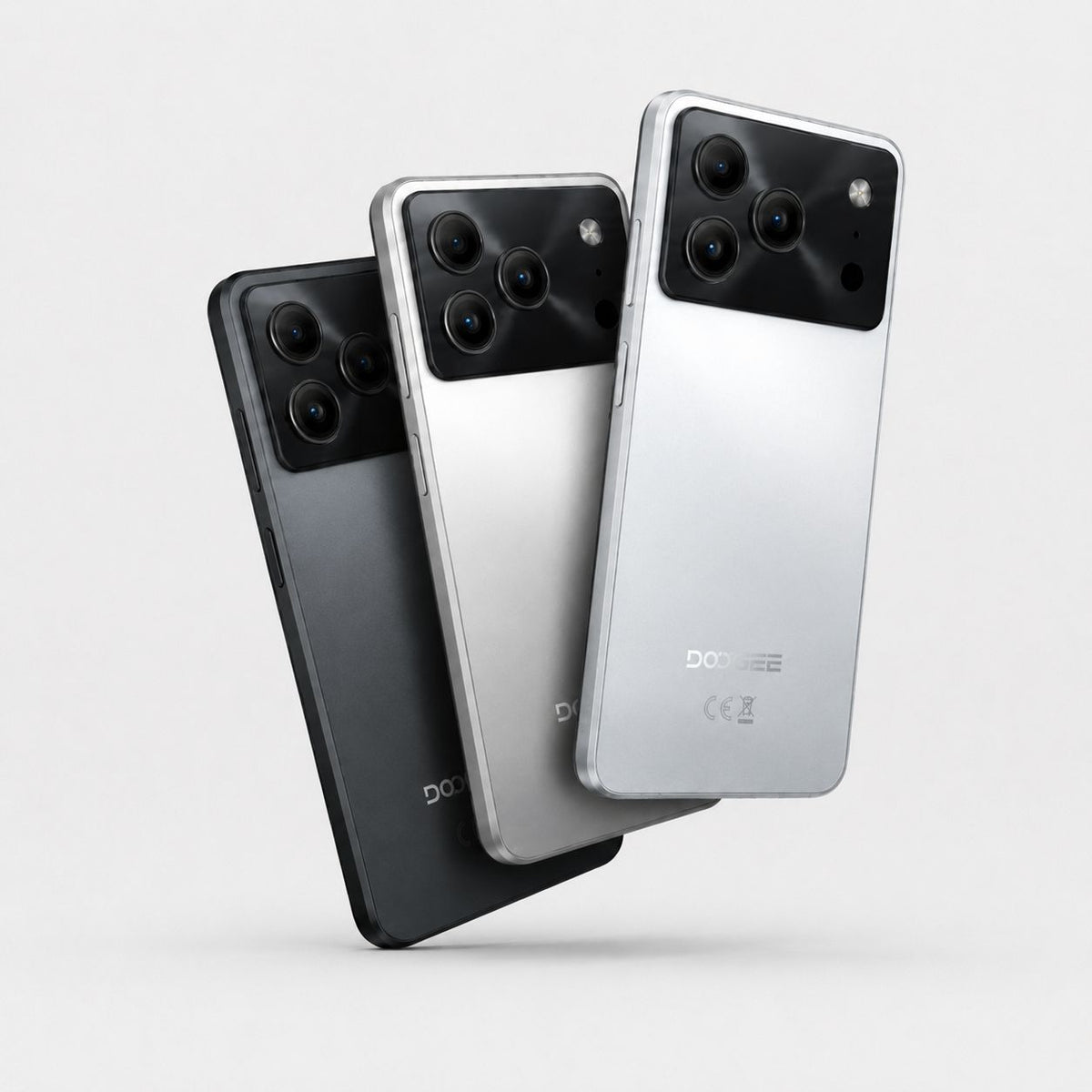
Keeps routes, calls, messages, photos, and workout records connected before, during, and after training.
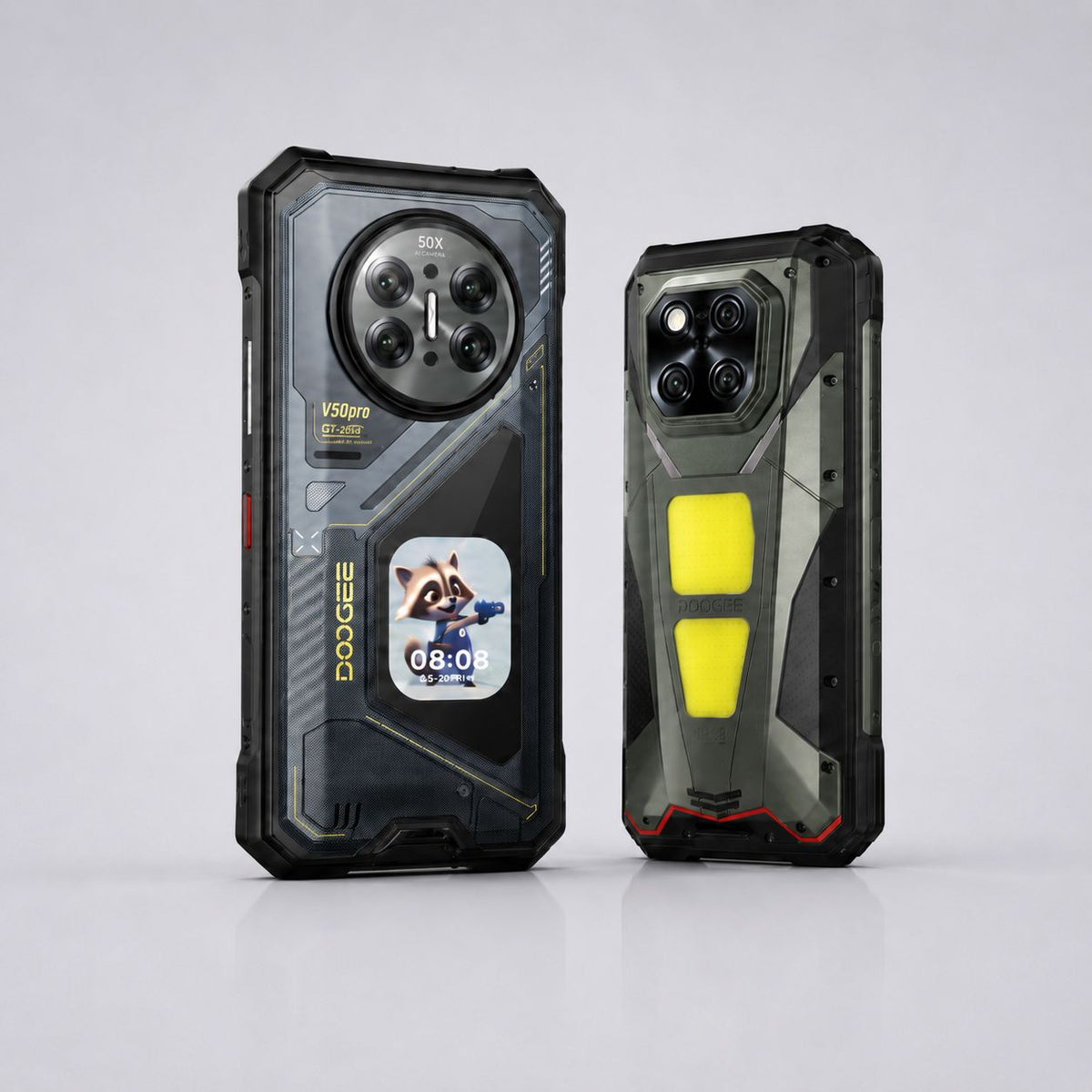
Rugged Phone
Your main field tool for communication, site photos, inspection records, long shifts, and jobsite-ready use.
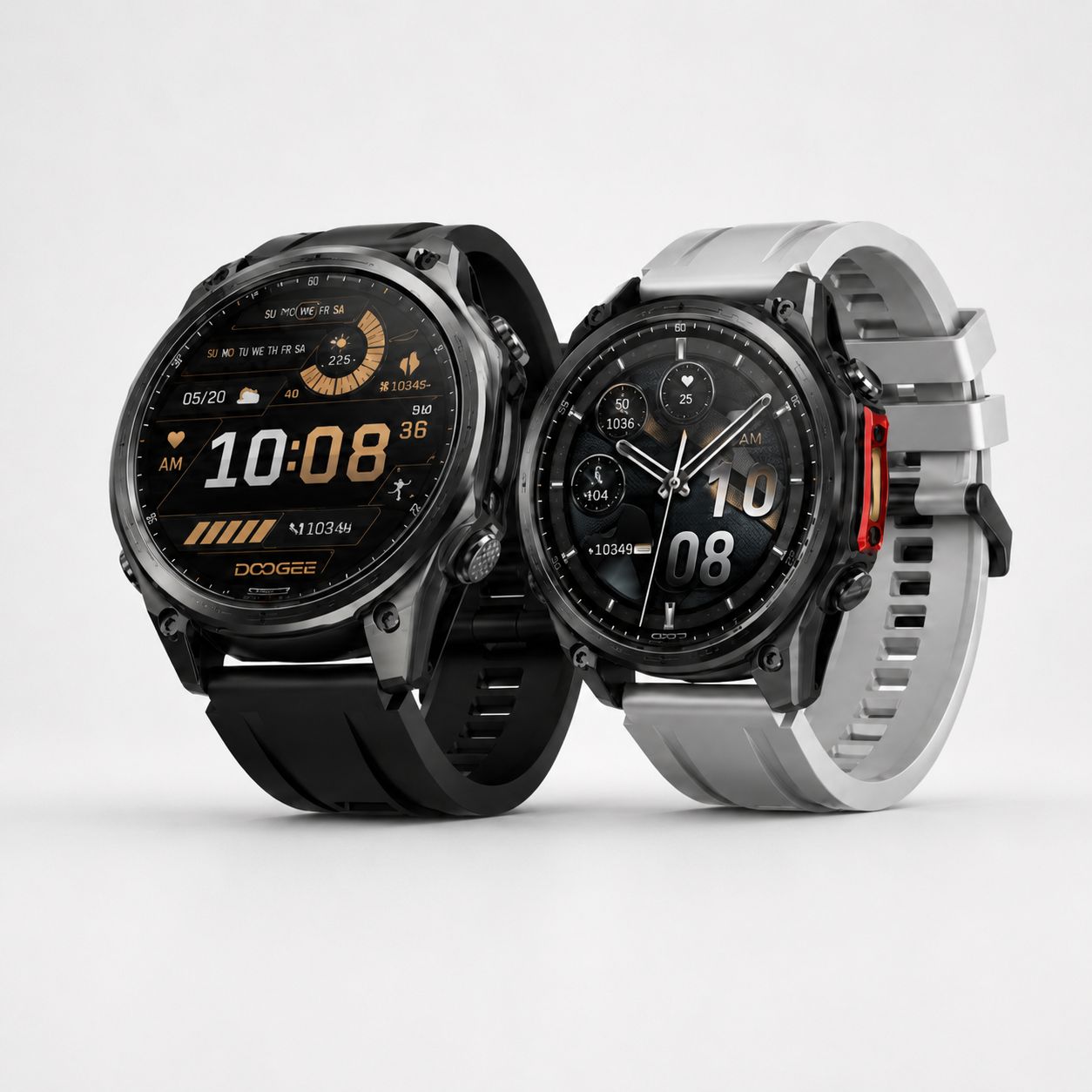
Rugged Smart Watch
Wrist alerts and reminders that help reduce missed calls, meetings, and task updates during busy shifts.
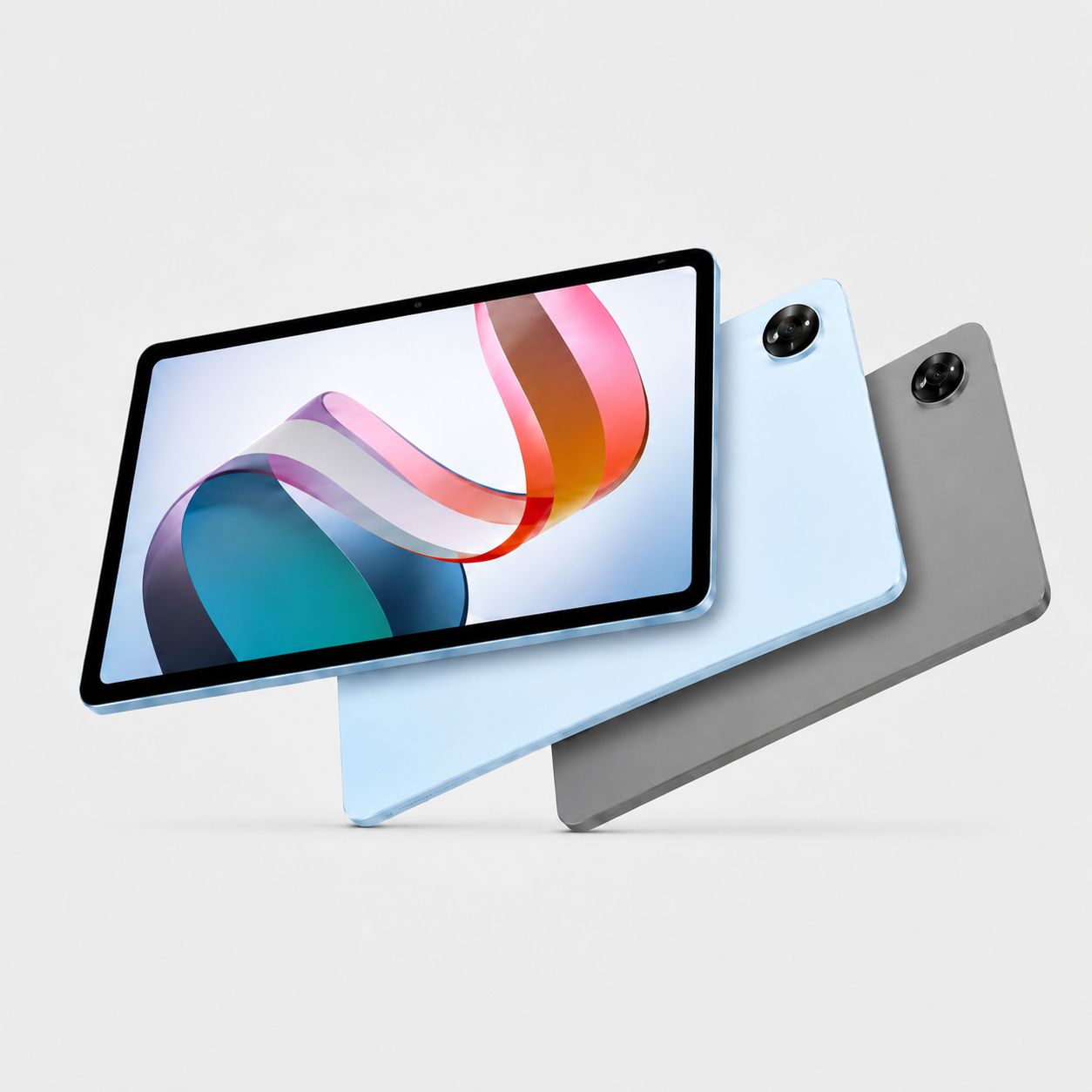
Tablet
A larger screen for drawings, checklists, forms, reports, quotes, and shared project information.
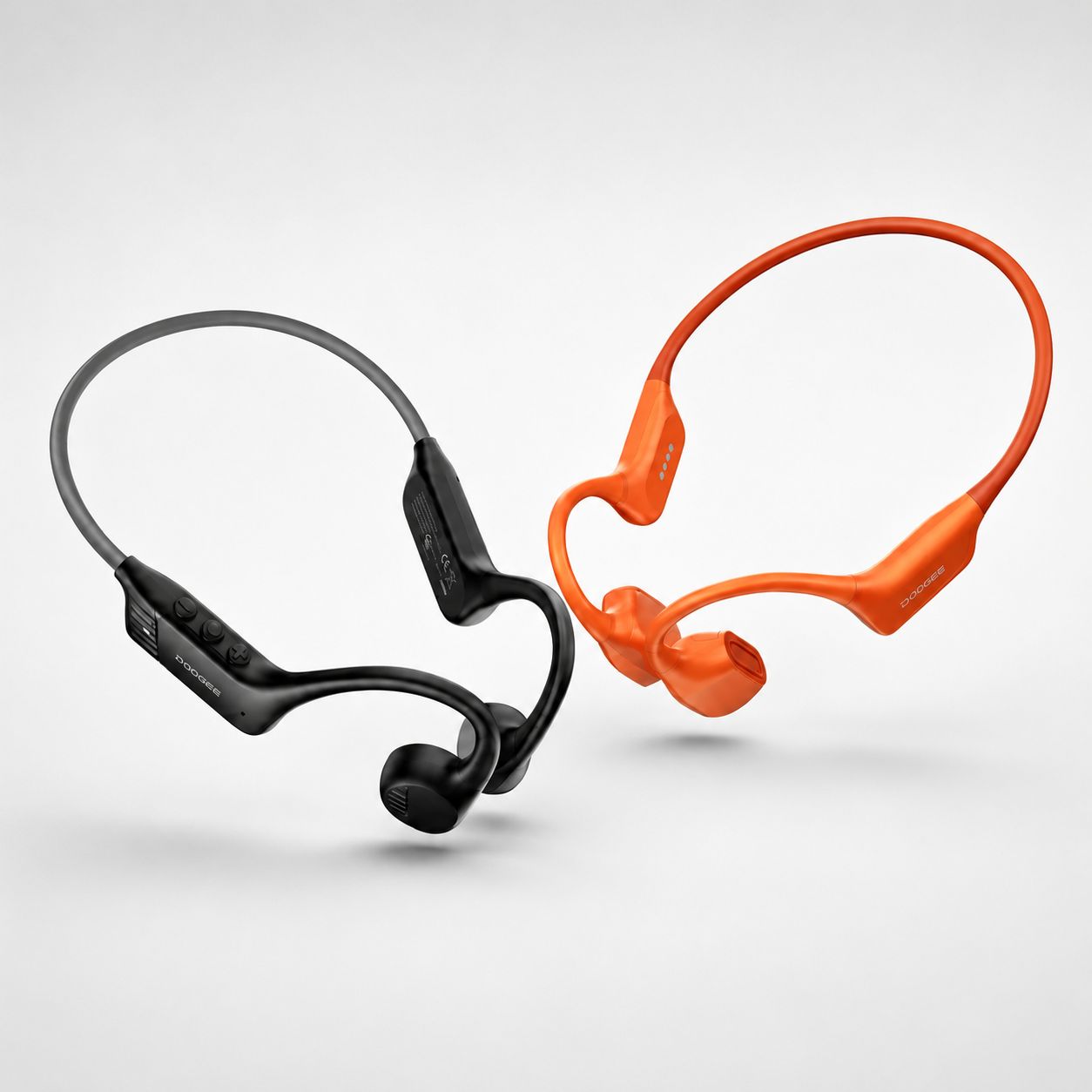
Headphones
Hands-free communication while keeping workers aware of equipment sounds, vehicles, alarms, and people nearby.
FAQs
What should I look for in a sports tech setup?
A good sports setup should support movement without adding friction. Most users need route tracking, music, calls, wrist data, reliable battery life, and awareness of their surroundings. The right setup depends on whether you run, ride, swim, train indoors, or exercise casually every day.
Why are open-ear headphones better for outdoor workouts?
Open-ear headphones let you listen to music, calls, or directions while still hearing what is happening around you. This is especially useful for running, cycling, commuting workouts, and outdoor routes where traffic, bikes, people, and warning sounds matter.
Do I need a smartwatch if I already carry a phone?
A smartwatch makes training easier because it keeps key updates on your wrist. You can check workout status, notifications, and activity data without pulling out your phone during a run, ride, gym session, or commute.
Which setup is best for long-distance training?
Choose the Long-Distance Training Safety Setup if you care most about battery life, route tracking, outdoor communication, and awareness. It is better for cycling, trail running, long outdoor workouts, and users who train away from easy charging.
Which setup should I choose for swimming or water activities?
Choose the Water Sports & Swim Audio Setup if your training includes pools, beaches, lakes, or water parks. It combines shore-side communication, waterproof audio, and lightweight wrist records for water-focused activities.